
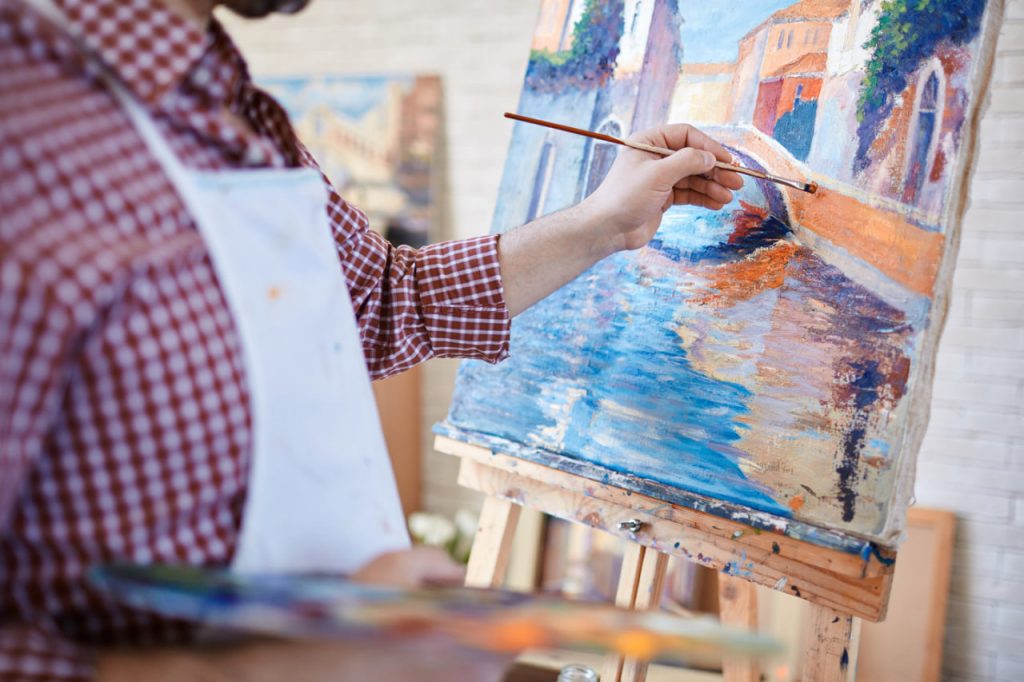
Layering and glazing are essential techniques in oil painting that allow artists to create depth, luminosity, and rich color intensity. These methods take advantage of the slow-drying nature of oil paint, enabling subtle transitions, refined shadows, and vibrant highlights that make a painting feel alive. Understanding when and how to apply layers and glazes can dramatically improve the realism, mood, and visual impact of a landscape, portrait, or still life.
Many beginners attempt to achieve depth and intensity by applying thick paint all at once or overworking a single layer. This often results in muddy colors or flat, lifeless surfaces. Layering and glazing provide a controlled approach, building richness gradually while maintaining clarity and harmony.
The Difference Between Layering and Glazing
Layering involves applying successive layers of paint, usually allowing each to dry or become tacky before adding the next. This technique can be used to refine shapes, adjust color, or increase opacity. Each layer contributes to the final form, and transparent or semi-transparent layers enhance subtlety and realism.
Glazing is a specialized form of layering in which a thin, transparent layer of paint is applied over a dried base to adjust color, tone, or luminosity. Glazes intensify colors, unify elements, or create atmospheric effects without obscuring underlying details. Unlike opaque layers, glazes allow light to penetrate and reflect back through the layers, producing a glowing, vibrant appearance.
Preparing Your Base Layers
Successful layering and glazing start with well-prepared base layers. Establishing accurate values, shapes, and color relationships in the initial layer ensures that subsequent layers enhance rather than distort the painting. Many artists begin with a thin, toned ground that sets the overall mood and provides a unified color foundation.
Base layers should be applied with medium opacity and sufficient drying time before adding transparent glazes. This prevents lifting or blending unintentionally and preserves the integrity of the painting. Planning the composition and tonal structure early makes layering more effective and intentional.
Techniques for Effective Layering
Layering is most effective when approached gradually and systematically. Artists often work from general to specific, applying broader shapes and values first and refining details in later layers. This approach ensures that depth and form build naturally.
When layering, it is important to respect the “fat over lean” principle. Each subsequent layer should contain slightly more oil than the previous one to prevent cracking as the painting dries. Thin, lean layers are ideal for initial washes and underpainting, while thicker, oil-rich layers can be used for final details and highlights.
Blending edges between layers can be done gently with soft brushes or a dry brush to maintain smooth transitions. Controlled variation in brushwork across layers also creates texture, enhancing the sense of depth and realism.
Applying Glazes for Color Intensity
Glazing allows artists to manipulate color without covering previous work. A glaze is a thin, transparent layer of pigment mixed with medium. By adjusting the pigment-to-medium ratio, artists can control transparency, flow, and drying time.
Glazes are often used to enhance shadows, intensify highlights, or unify different areas of a painting. For example, a cool blue glaze over a sunlit field can suggest atmospheric perspective, while a warm amber glaze can enrich the light in a sunset sky. Multiple glazes layered gradually increase color intensity without sacrificing subtle transitions or detail.
It is important to let each glaze dry thoroughly before applying the next. This ensures clarity, prevents muddiness, and allows precise control over the final color effect.
Enhancing Depth Through Layers and Glazes
Depth in oil painting comes from variation in value, color temperature, and transparency. Layering and glazing make it possible to create foreground, midground, and background distinctions naturally.
Distant elements can be glazed with cooler, more transparent colors to push them back visually. Foreground elements may have richer, warmer tones and more opaque layers to draw attention. The interplay of thin, luminous glazes over solid base layers produces a sense of air and atmosphere that is difficult to achieve with a single application of paint.
Common Mistakes and How to Avoid Them
A frequent mistake in layering and glazing is applying layers too thickly or too quickly. Thick, wet layers over a lean base can cause cracking or uneven drying. Applying too many glazes without sufficient drying time can lead to muddy colors or loss of luminosity.
Another common issue is ignoring the underlying tonal structure. Glazing is most effective when the base layer is accurately rendered in value and composition. Attempting to fix tonal mistakes with glazes often leads to inconsistent results.